
There has to be a better way.
What a running shoe, a concert piano and two deeply personal ambitions taught and proved to me about where great brands really begin — and why the art of building them is worth preserving.

There Has to Be
a Better Way.
Great brands often begin long before anybody thinks about branding. They begin when somebody who knows a field intimately believes something can be made better. Turning that belief into enduring brand equity requires engineering and imagination, commerce and culture, art and science — and extraordinary discipline.
A runner trying to solve a runner's problem.
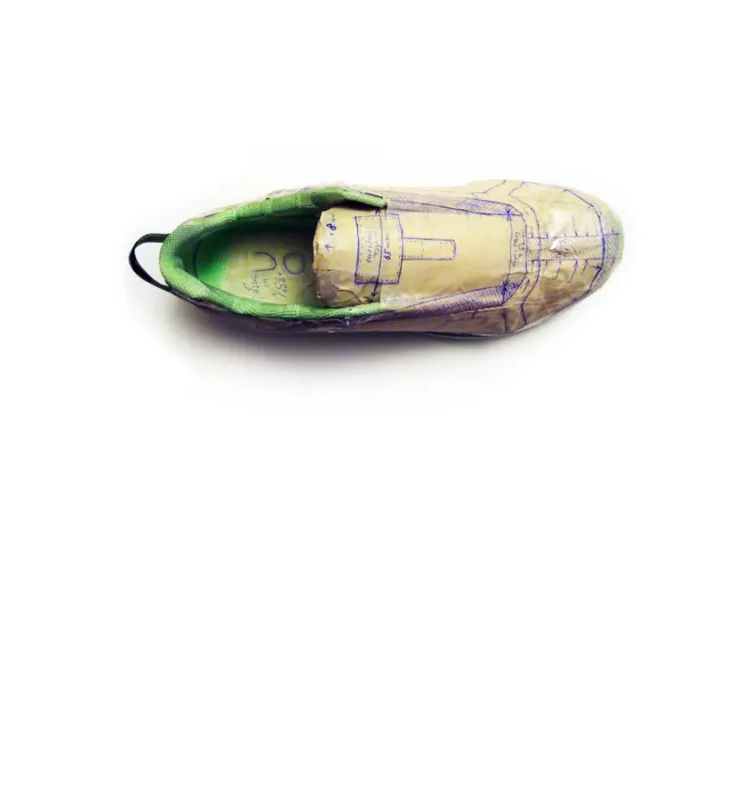
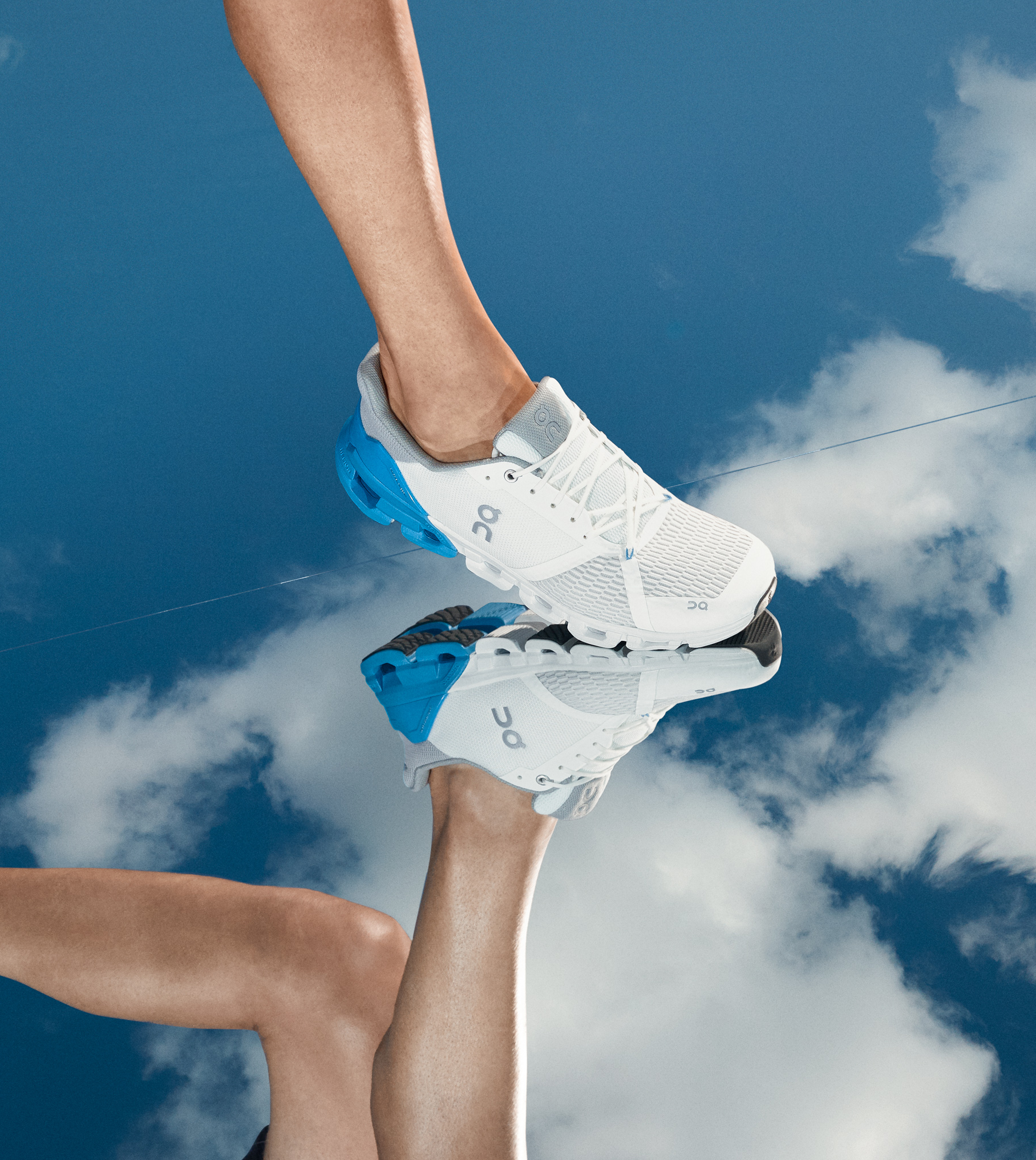
Before there was a global sportswear brand, there was retired athlete Olivier Bernhard trying to create a running shoe with a totally new feel.
He began experimenting with pieces of garden hose, gluing them to the outsole of his prototype. Caspar Coppetti and David Allemann came on board in 2010.
The ambition became beautifully clear: cushioned landings, powerful take-offs.
That sequence matters. Marketing did not invent the originating difference. It helped people recognise and understand a difference the product was designed to deliver.
On's revamped prototypes won the ISPO BrandNew Award in March 2010. From there, expertise accumulated around the idea: engineering, retail, athletes, community, performance proof and culture.
A product idea became commercial and cultural meaning.
Two founders. Two deeply personal ambitions. Neither began by trying to create a brand. They began by trying to make something better.

Another founder. Another lifetime of knowledge behind the idea.
For more than a decade I have been in and out of the journey of the Bogányi Piano, created by my brother-in-law, concert pianist Gergely Bogányi.
Gergely had spent his life at the piano. He wanted an instrument of his own: one that could maintain its sound more consistently under changing conditions while retaining the robust, round, singing quality he loved in the great instruments of the past.
But this was never intended to be a reproduction of the past. Carbon fibre became part of the technical answer. The physical form became something altogether different: sculptural, floating, almost spaceship- or sports-car-like.
The Bogányi Piano was born from a musician asking his own version of the same question: could this be better?
From the outside, the unveiling of an extraordinary instrument feels like the culmination of the story. From close up, it is closer to the beginning.
Production. Materials. Suppliers. Manufacturing. Quality. Logistics. Dealers. Concerts. Demonstrations. Photography. Branding. Marketing. Sales. And eventually, inevitably: cash flow.
It is rather different from sitting in an agency or consultancy discussing what a brand should do next. When it is your own product, there is an instrument that has to be built, a customer who has to be found, a sale that has to close — and a founder's lifetime ambition sitting there in physical form.
Making something extraordinary is only the beginning.
Everything has to become worthy of the product.
If the product is extraordinary but the photography feels ordinary, something is lost. If the engineering is innovative but the explanation is confusing, something is lost. If the craftsmanship is exceptional but the sales experience does not communicate its value, something is lost.
Brand equity isn't created by marketing around the business. It is created when the whole business repeatedly makes the promise believable.
There is art. And there is science.
The science matters: engineering, materials, manufacturing, research, finance, distribution, pricing and measurement.
But so does the art: imagination, language, design, instinct, culture, storytelling, taste, timing and judgement.
The craft lies in making the parts reinforce one another. When they do, there is a little magic in it.
A great brand is remarkably like a great athlete.
Talent gets an athlete noticed. Talent does not keep an athlete at the top. The athlete trains, repeats, measures, adjusts, builds strength, protects weaknesses and maintains focus when nobody is watching.
Brands are not very different. Success brings more markets, products, people, channels and opportunities. That is precisely when focus becomes harder to maintain.
The work between performances is what makes the performance possible.
Performance can drift almost unnoticed.
An athlete rarely loses form in one spectacular moment. A fraction of timing changes. A weakness develops. Then comes the race or the injury. Suddenly the gap is visible.
One product message moves. One market interprets the positioning differently. One campaign adopts another voice. One AI-generated asset takes a shortcut. None destroys the brand. Then there are hundreds of them.
Nobody decided to let the brand drift. A hundred small, reasonable decisions decided it for them.
Discipline is not the enemy of creativity.
An elite athlete's training programme does not exist to stop the athlete performing. It exists to make peak performance repeatable. Good brand governance should do the same.
The objective is not sameness. The objective is coherent progress.
The logo is the easy bit.
Behind a brand may be years of someone's life. Engineering. Financial risk. Failed prototypes. Suppliers. Employees. Investors. Families. Customers. Compromises. Persistence.
The finished identity hides most of that — as it should. Customers should experience the value, not carry the burden of the struggle that created it.
But the people responsible for the brand should understand what they have inherited.
Creating something valuable is incredibly difficult. Losing focus is remarkably easy.
After nearly three decades working with brands across markets and cultures — and more than a decade experiencing the very different reality of helping nurture one close to home — I kept coming back to that conclusion.
It is why I created The Global Brand Writer™ and Brand GP™.
Not to automate brands. Not to replace the people who create them. And certainly not to make everything look and sound the same.
The purpose of discipline is not to constrain the art of the brand. It is to protect the human endeavour that made the brand valuable in the first place — while giving it the clarity to keep moving forward.
Somebody created something worth caring about. Other people added to it. Customers gave it meaning. There is magic in that.
It is worth preserving. And it is worth the effort to keep it winning.
